
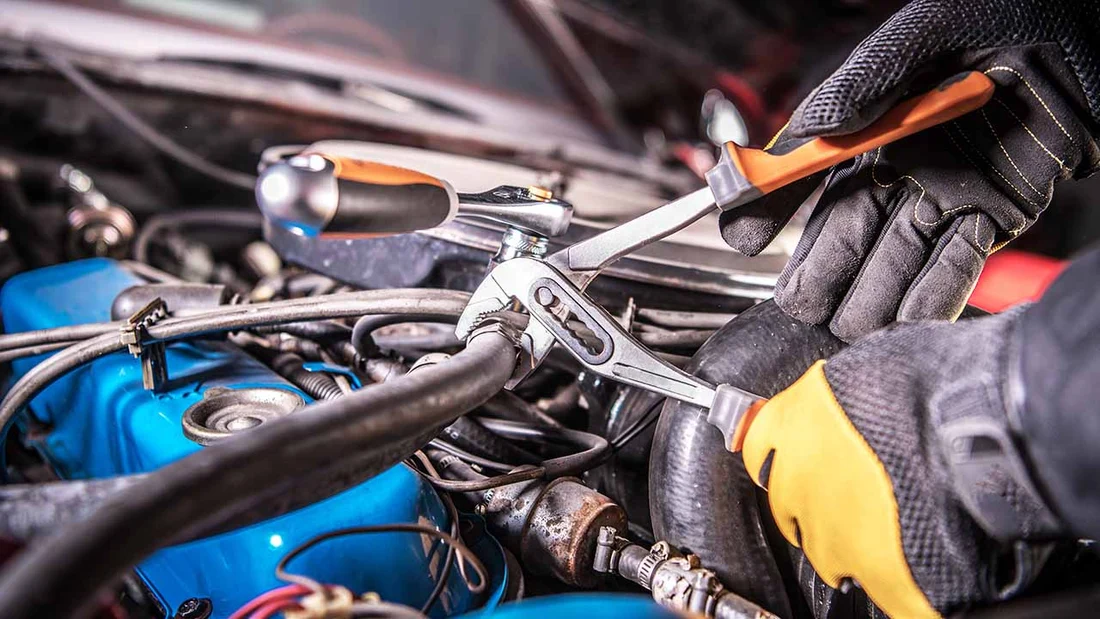
Not every car issue needs an expensive workshop visit. This guide to common car problems covers the ones you can genuinely troubleshoot or fix yourself, potentially saving both time and money.
Which Problems Are Actually DIY-Friendly?
Direct answer: Common car problems like dead batteries, blown fuses, flat tyres, and worn wiper blades are generally safe and simple for owners to fix themselves, while engine or brake issues should always go to a professional mechanic.
Dead or Weak Battery
- Check for corrosion on battery terminals — clean with a wire brush if needed
- Use jumper cables with another vehicle if the battery is simply drained
- Test battery health with a multimeter or at any accessory shop
- Replace if the battery is over 3-4 years old and struggling consistently
Honestly, a weak battery is one of the most common breakdown causes, and it’s also one of the easiest to diagnose yourself.
Flat Tyre Replacement
- Ensure you’re parked safely away from traffic before starting
- Loosen wheel nuts slightly before jacking up the car
- Replace with the spare tyre, tightening nuts in a star pattern
- Get the flat tyre professionally repaired or replaced as soon as possible
Blown Fuses Causing Electrical Issues
If your power windows, radio, or lights suddenly stop working, check the fuse box (usually located under the dashboard or in the engine bay). Replacing a blown fuse with the correct amperage rating is a simple, inexpensive fix.
[Link to related guide: Car Maintenance Checklist here]
Worn Wiper Blades
Streaky or noisy wipers are usually just worn rubber blades, not a motor issue. Replacement is straightforward — most auto parts stores can guide you through fitting the correct size for your specific car model.
Warning Lights You Shouldn’t Ignore
- Check engine light — could indicate multiple issues, get it scanned promptly
- Oil pressure warning — stop driving immediately if this appears
- Battery/charging warning light — indicates alternator or battery issues
- Temperature warning — pull over safely to avoid engine damage from overheating
When to Definitely Call a Mechanic Instead
Brake issues, engine noises, transmission problems, or anything involving the car’s core mechanical or electrical systems should never be a DIY attempt unless you have genuine mechanical expertise. Some problems are worth the labor cost for safety reasons alone.
Basic Tools Every Car Owner Should Keep
- Tyre inflator or portable air compressor
- Jump starter power bank
- Basic tool kit with screwdrivers and pliers
- Tyre pressure gauge
- Reflective warning triangle for emergencies
FAQs
Q1. Can I fix a dead car battery myself? Yes, jump-starting or basic terminal cleaning is generally safe for most car owners to handle.
Q2. Is it safe to change a flat tyre on a busy road? Only if you can move to a safe, stable location away from traffic first — safety comes before convenience.
Q3. How do I know if it’s a fuse issue or something more serious? If a specific electrical component suddenly stops working while others function normally, it’s often a fuse issue worth checking first.
Q4. Should I ignore minor warning lights if the car seems to run fine? No, even minor warning lights can indicate developing issues that worsen if ignored.
Q5. What car problems should never be attempted as DIY fixes? Brake system work, engine internals, and transmission issues should always be handled by a qualified mechanic.
Conclusion
Knowing how to handle these common car problems yourself can genuinely save money and reduce stress during unexpected situations. That said, always know your limits — some fixes are simple enough for any owner, while others genuinely require professional expertise for safety reasons. Keep a basic toolkit handy, and you’ll be prepared for most minor roadside surprises.
Suggested Image Alt Text:
- “common car problems DIY fix”
- “car battery jump start tools”
- “changing flat tyre roadside”
 01
01 02
02