
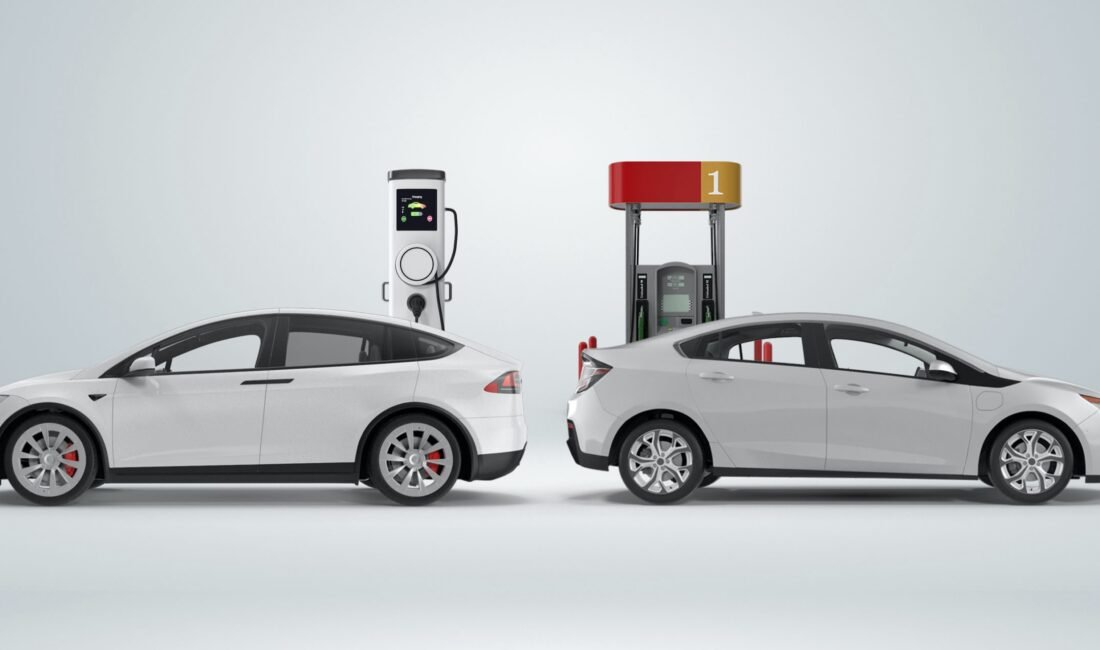
The electric cars vs petrol cars debate has been going on for years now, but 2026 finally feels like a genuine turning point. EV prices have come down, charging infrastructure has improved, and yet petrol cars still dominate sales. So what’s actually the smarter choice?
Let’s look at this practically, not emotionally.
The Real Cost Difference Over 5 Years
Direct answer: While electric cars cost 15-25% more upfront, lower running and maintenance costs typically help them break even with petrol cars within 3-4 years for owners driving 12,000+ km annually.
Upfront Purchase Price Comparison
Petrol cars in the compact segment start around ₹6-8 lakh, while comparable electric cars begin at ₹10-12 lakh even after subsidies. That gap has narrowed significantly compared to just two years ago, but it’s still noticeable for budget-conscious buyers.
Running Cost: Where EVs Clearly Win
- Petrol cars: roughly ₹6-7 per km running cost
- Electric cars: roughly ₹1-1.5 per km running cost
Over 15,000 km a year, that’s a savings of nearly ₹75,000-85,000 annually — numbers that genuinely add up over time.
Maintenance Comparison
Electric cars have fewer moving parts — no engine oil changes, no complex transmission servicing. Annual maintenance for EVs typically costs 40-50% less than equivalent petrol cars, though tyre wear can be slightly higher due to instant torque delivery.
Range Anxiety: Still a Real Concern?
For city use, most EVs now offer 250-300 km real-world range, which comfortably covers daily needs. Highway travel is where it still gets tricky — charging stops add time that petrol refueling simply doesn’t require. If you frequently drive long distances, this remains a genuine consideration.
[Link to related guide: EV Charging Stations Guide here]
Resale Value Comparison
Petrol cars currently hold better resale value in India’s used car market, partly due to buyer familiarity and wider demand. EV resale values are improving but remain somewhat unpredictable given rapidly evolving battery technology and newer model launches.
Environmental Impact — Does It Really Matter to Buyers?
- EVs produce zero tailpipe emissions, genuinely helping urban air quality
- However, electricity generation source affects the overall environmental benefit
- Battery manufacturing does have its own environmental footprint
- Over the vehicle’s lifetime, EVs still generally have a lower carbon footprint than petrol cars
Which Should You Actually Buy?
If you primarily drive within the city, have access to home charging, and drive over 1,000 km monthly, an electric car makes strong financial sense. If you frequently travel long distances or live in an area with limited charging infrastructure, a petrol car remains the more practical, stress-free choice for now.
FAQs
Q1. Are electric cars cheaper to maintain than petrol cars? Yes, significantly — typically 40-50% lower annual maintenance costs.
Q2. How long does it take to break even on an EV’s higher price? Usually 3-4 years for owners driving 12,000+ km annually.
Q3. Do electric cars perform well on Indian highways? Yes, but charging stops need planning, unlike quick petrol refueling.
Q4. Is battery replacement a major cost concern for EV owners? It can be significant after warranty expiry, though most batteries last 8-10 years with proper care.
Q5. Which holds better resale value, electric or petrol cars? Currently, petrol cars still hold slightly better resale value in India’s used car market.
Conclusion
The electric cars vs petrol cars decision ultimately depends on your driving pattern and charging access, not just the price tag. City commuters with home charging stand to gain the most from switching, while frequent long-distance drivers might find petrol still more practical for 2026. Whatever you choose, run the actual numbers based on your own driving habits before deciding — that’s more reliable than any general comparison.
Suggested Image Alt Text:
- “electric cars vs petrol cars comparison 2026”
- “EV charging next to petrol pump India”
- “electric car dashboard range display”
 01
01 02
02