
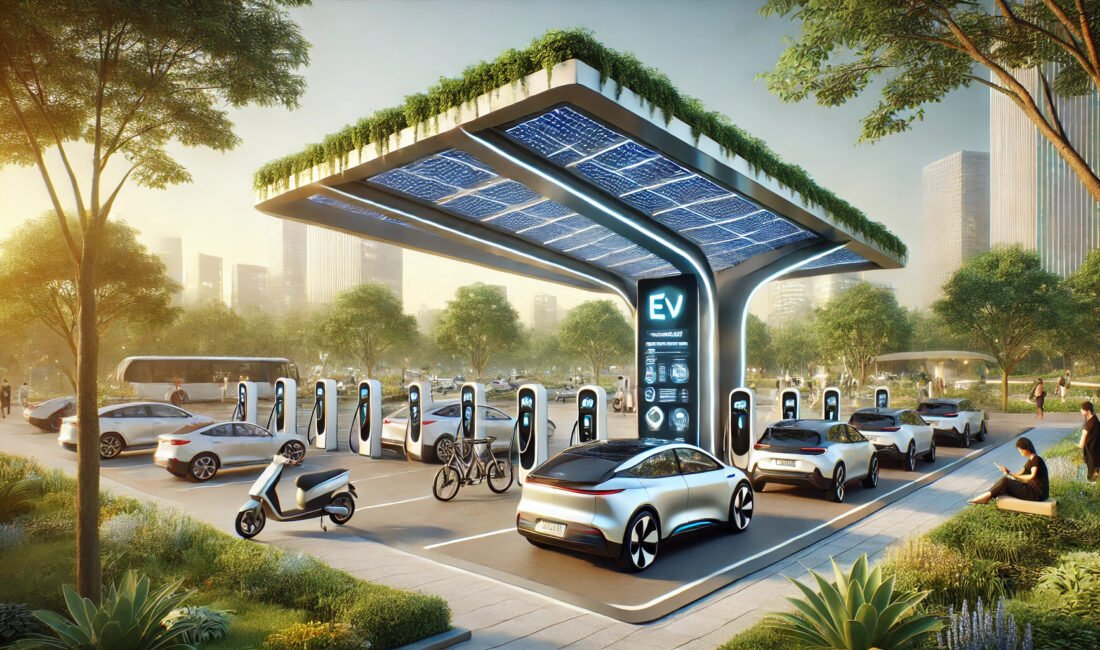
Buying your first electric vehicle is exciting, but figuring out EV charging stations India offers can feel confusing at first. I remember a colleague who bought an EV last year and spent the first week just anxious about where he’d charge it — turns out, it’s simpler than it seems once you understand the basics.
Types of EV Charging Available in India
Direct answer: There are three main charging types in India — slow AC home charging (6-8 hours), semi-fast public AC charging (3-4 hours), and DC fast charging (30-60 minutes) available at select highway and city stations.
Home Charging: The Most Practical Option
For most EV owners, home charging remains the primary method. A basic 15A socket works for slow charging, though a dedicated wall charger installed by a certified electrician offers safer, faster charging. Installation typically costs ₹8,000-15,000 depending on your home’s electrical setup.
Public Charging Network Growth in 2026
India’s public charging infrastructure has expanded significantly, with major cities now having charging points at malls, office complexes, and highway service stations. That said, coverage is still uneven — metro cities are well-served, while smaller towns lag behind considerably.
Popular Charging Networks You’ll Encounter
- Tata Power EZ Charge – widest network across major cities
- Statiq – strong presence in Delhi NCR and Bengaluru
- Ather Grid – dedicated to Ather scooter owners, expanding fast
- ChargeZone – growing highway charging corridor network
How to Plan a Long-Distance EV Trip
- Use charging network apps to map stations along your route
- Always keep at least 20% buffer charge before planning the next stop
- Charge during meal breaks to avoid wasted waiting time
- Check real-time charger availability, as some stations report frequent downtime
[Link to related guide: Electric Cars vs Petrol Cars here]
Cost of Charging: Home vs Public Stations
Home charging typically costs ₹6-8 per unit depending on your state’s electricity tariff, translating to roughly ₹1-1.5 per km. Public fast charging stations charge more, often ₹15-20 per unit, making home charging the more economical choice whenever possible.
Common Charging Mistakes New EV Owners Make
- Waiting until battery is critically low before charging
- Ignoring charger cable maintenance and storage
- Not checking compatibility between vehicle and charging connector type
- Overcharging to 100% regularly, which can affect long-term battery health
Has this happened to you — reaching a charging station only to find it’s occupied or out of service? Always have a backup station in mind, especially for longer trips.
FAQs
Q1. How many EV charging stations are there in India currently? The number continues growing rapidly, with thousands of stations now across major highways and cities, though rural coverage remains limited.
Q2. Can I charge my EV using a normal home socket? Yes, but it’s slower and not ideal for daily heavy usage — a dedicated charger is recommended.
Q3. How much does a home EV charger installation cost? Typically between ₹8,000 to ₹15,000 including electrician charges and equipment.
Q4. Is fast charging bad for EV battery health? Frequent fast charging can accelerate battery degradation slightly over time compared to regular slow charging.
Q5. Are public charging stations available 24/7? Most are, though reliability and uptime can vary by location and network operator.
Conclusion
Understanding EV charging stations India offers really just takes a bit of upfront planning, and after that, it becomes second nature. Set up reliable home charging as your primary routine, and use public networks strategically for longer trips. The infrastructure is improving month by month, so range anxiety genuinely becomes less of a concern the longer you own an EV.
Suggested Image Alt Text:
- “EV charging stations India public network”
- “home EV charger installation setup”
- “electric vehicle charging highway station India”
 01
01 02
02