
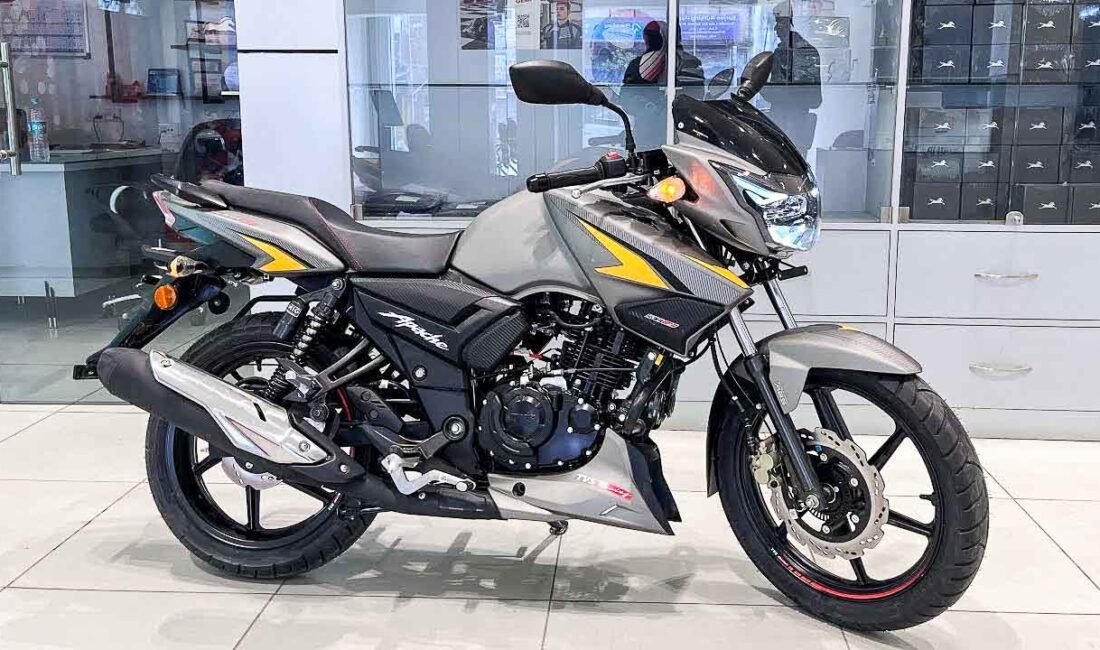
This is probably one of the most common questions I get asked by friends upgrading from a basic commuter. The 150cc vs 200cc bikes debate isn’t just about numbers on a spec sheet — it genuinely affects your daily riding experience, running cost, and even insurance premiums.
Let’s break this down honestly, without the marketing fluff.
The Core Difference Explained Simply
Direct answer: 150cc bikes generally offer better mileage (40-45 kmpl) and lower running costs, while 200cc bikes deliver noticeably stronger acceleration and highway performance but with reduced mileage (32-38 kmpl) and higher maintenance costs.
Performance Comparison
200cc engines typically produce 5-8 more horsepower than their 150cc counterparts, which translates to quicker overtaking and better highway cruising. If you regularly ride on highways or enjoy a bit of spirited riding, that extra displacement genuinely makes a difference.
I test rode a Pulsar 150 and 200 back to back once — the 200 pulls noticeably harder past 80 kmph, something you’d definitely notice on highway stretches.
Mileage: Where 150cc Clearly Wins
- 150cc bikes: 40-48 kmpl on average
- 200cc bikes: 32-38 kmpl on average
That’s roughly a 20-25% mileage difference, which adds up significantly if you’re riding 1,500+ km monthly.
Price and Insurance Difference
200cc bikes typically cost ₹15,000-25,000 more than their 150cc siblings, and insurance premiums are also noticeably higher due to higher engine capacity classification. Over 5 years, the total cost of ownership gap can easily cross ₹50,000.
Who Should Buy a 150cc Bike?
- Daily city commuters prioritizing mileage
- Riders on a tighter budget
- First-time bike owners wanting manageable power
- Those doing mostly short-to-medium distance rides
[Link to related guide: Best Mileage Bikes in India here]
Who Should Buy a 200cc Bike?
- Frequent highway riders
- Riders who want quicker acceleration for overtaking
- Those upgrading from a 150cc and wanting more thrill
- Riders comfortable with slightly higher running costs
Maintenance and Long-Term Ownership Costs
200cc bikes generally require more frequent servicing of performance components like the clutch and chain, given the extra power output. Expect service costs to run 15-20% higher than 150cc equivalents over a 3-year ownership period.
Popular Models in Both Segments
- 150cc: Bajaj Pulsar 150, TVS Apache RTR 160 (close comparison), Yamaha FZ-S
- 200cc: Bajaj Pulsar 200 NS, KTM 200 Duke, TVS Apache RTR 200 4V
Honestly, the KTM 200 Duke feels like a completely different category altogether — that’s more of a performance bike than a simple upgrade.
FAQs
Q1. Is 200cc worth the extra money over 150cc? Only if you frequently ride highways or want noticeably better acceleration — for pure city commuting, 150cc is more practical.
Q2. Which gives better resale value, 150cc or 200cc? 150cc bikes typically hold resale value slightly better due to lower running costs attracting more buyers.
Q3. Can a beginner handle a 200cc bike? Yes, but it requires slightly more caution given the extra power delivery, especially in city traffic.
Q4. Do 200cc bikes need more frequent servicing? Generally yes, particularly for performance-oriented components.
Q5. Which is better for long highway trips? 200cc bikes handle highway cruising and overtaking more comfortably.
Conclusion
The 150cc vs 200cc bikes decision really comes down to how and where you ride most. If daily commuting and fuel savings matter most, go with 150cc without hesitation. But if you crave that extra punch for highway rides or occasional spirited riding, the 200cc segment won’t disappoint. Test ride both before deciding — the difference in feel is something numbers alone can’t fully convey.
Suggested Image Alt Text:
- “150cc vs 200cc bikes comparison India”
- “Bajaj Pulsar 200 highway riding”
- “bike engine displacement comparison chart”
 01
01 02
02